
Sikhism Overview
A brief introduction to the Sikh religion and Sikhs.
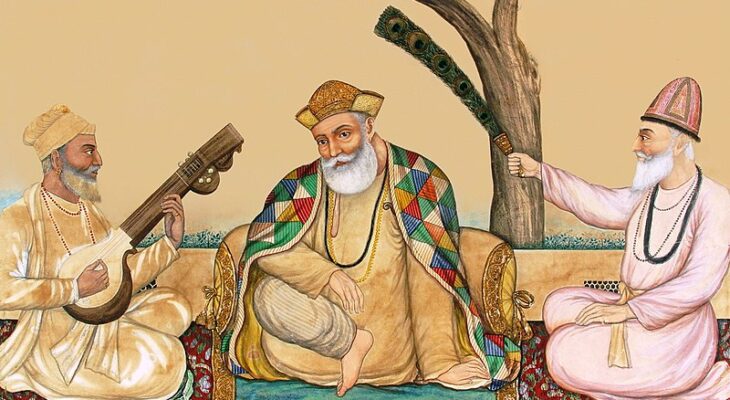
The religion of Sikhism emerged in the Punjab, India in the 15th century as a response to its current religious beliefs. Founded by Guru Nanak Dev, ten gurus shaped the faith from 1469 to 1708. A ‘Sikh’ translates to one who is a seeker, learner, disciple, or student.
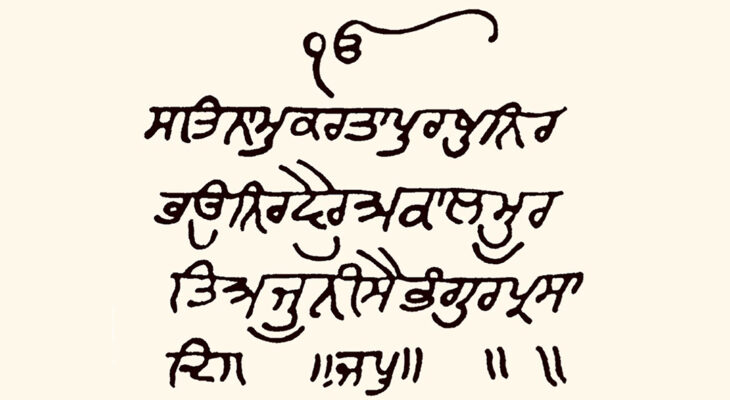
The Sikh scriptures begin with Guru Nanak’s concept of One God: ‘There is but one God. True is His name, creative His personality and immortal His form. He is without without fear, sans enmity, unborn and self-illumined. By the Guru’s grace He is obtained’. (Image: 17th c., hand of Guru Arjan)
Sikhs believe in one God, who is omnipresent. Sikhs also value equality, social justice, service to humanity, and devotion to God, through concepts and practices such as the role of service (Seva), welfare of all (Sarbat da Bhalla), and optimism (Chardi Kala).
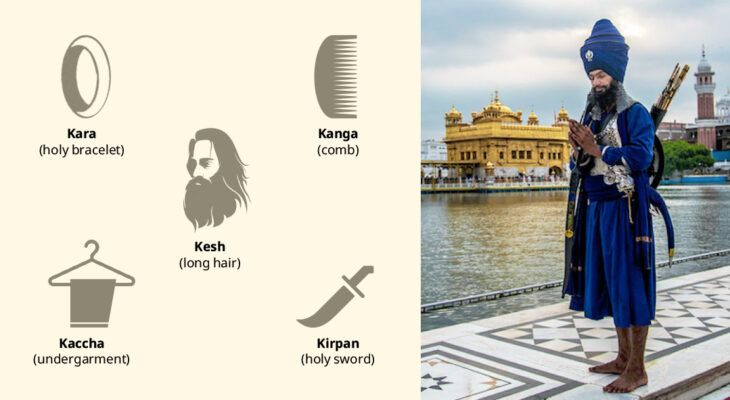
Devout Sikhs carry the 5Ks, five symbols of identity: long hair, hair comb, metal bangle, undergarment, and spiritual sword. The Khalsa, a warrior brotherhood against persecution was established by the tenth guru, Guru Gobind Singh in 1699.
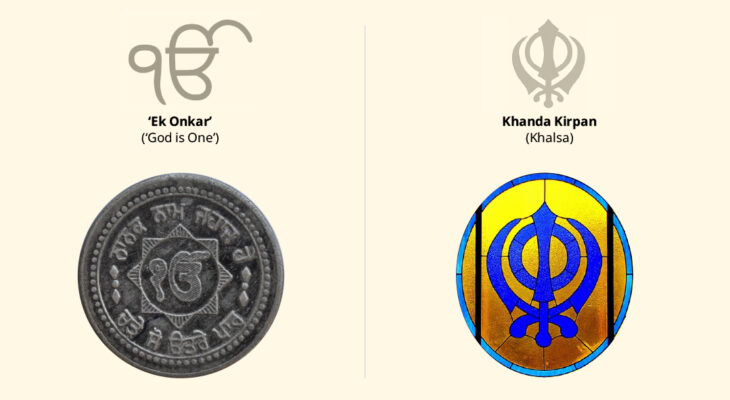
‘Ek Onkar’ (One God) is Guru Nanak’s original identifier for Sikhism, written with the numeral 1. The Khanda was later developed by Guru Gobind Singh, the tenth guru, to signify the Khalsa MORE INFO. Both identifiers remain in use today.
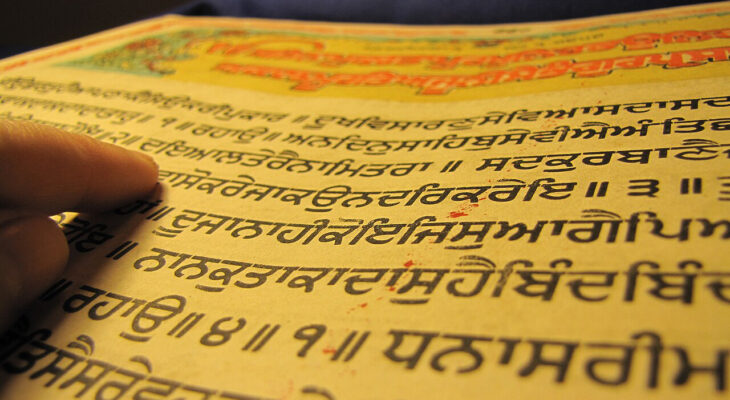
The gurus’ teachings form the Guru Granth Sahib, the ’11th Guru’, and tome of 1,430 pages. A new script devised by Guru Nanak is Gurmukhi, today the defining script for Punjabi people worldwide. (Note: to view this website in Gurmukhi see footer.)
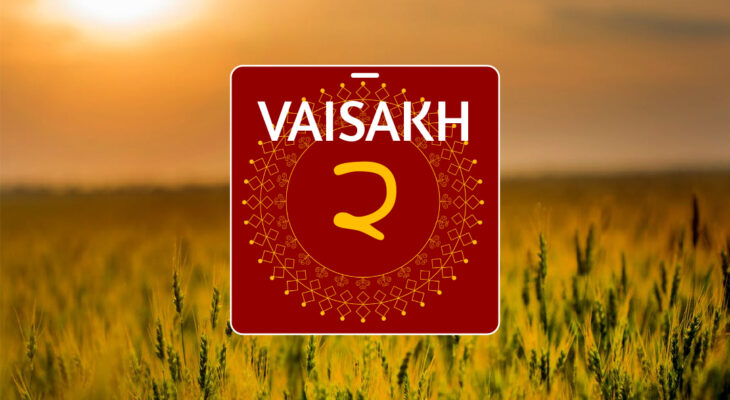
The Nanakshahi calendar is based on the Barah Maha (Twelve Months), a composition reflecting the changes in nature. The first month is Chet (14 March). The second, Vaisakh is the harvest season and anniversary of the Khalsa, the ‘new year’ celebration.
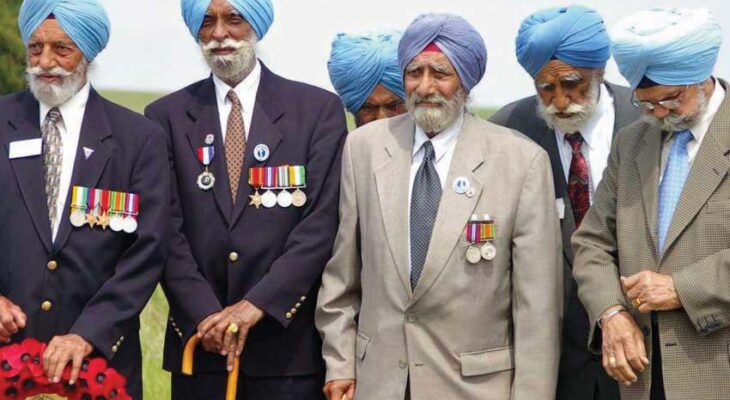
Sikhs and British history are deeply connected. Indian Sikhs accounted for as many as a quarter of the British Indian army in WWI (1914–18). Today, Sikhs remain known for their hard work and dedication to British society as well as their religion.
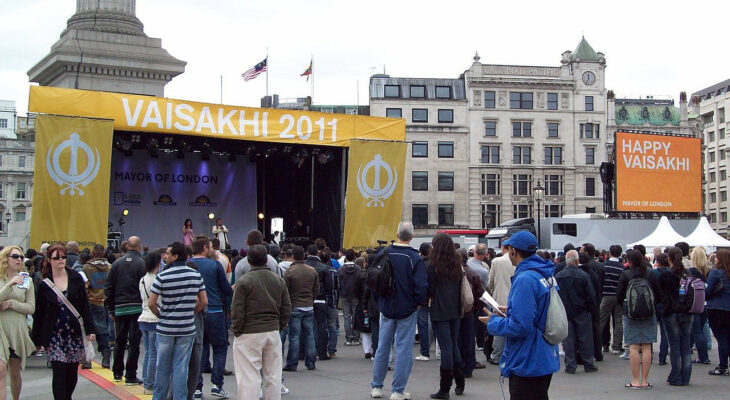
The Sikh diaspora is global, with communities flourishing in numerous countries. The impact of Sikhism is significant, promoting values of tolerance, compassion, and social justice, whilst observing interfaith dialogue.
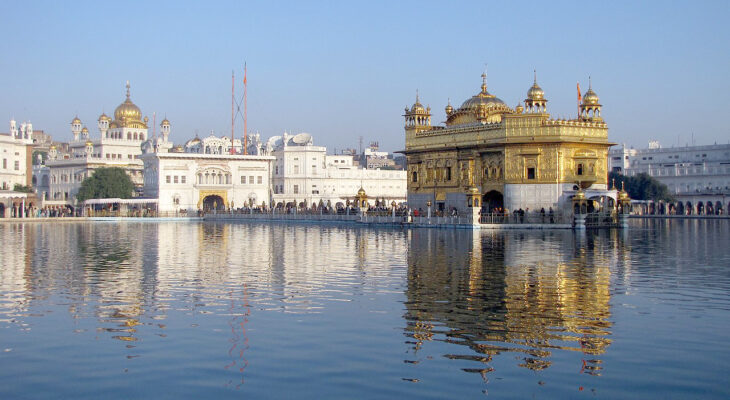
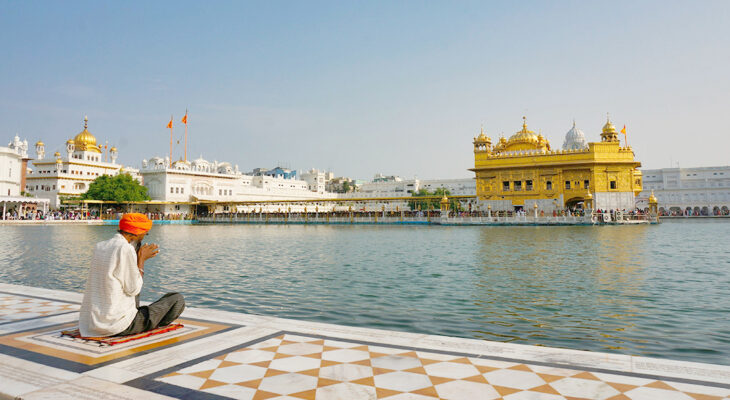
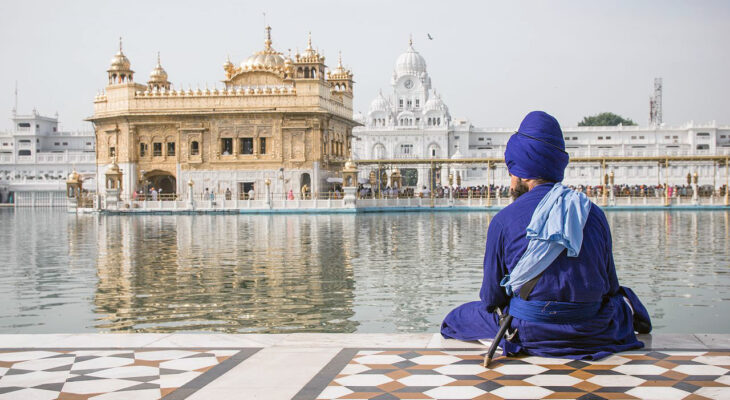
Gurdwaras are centres of Sikh religious life. They serve as focal points of community activity and campaigns. Amritsar, Punjab is home to Sachkhand Sri Harmander Sahib, also known as Sri Darbar Sahib or Golden Temple. It was completed in 1577. (Image: Jasleen Kaur)
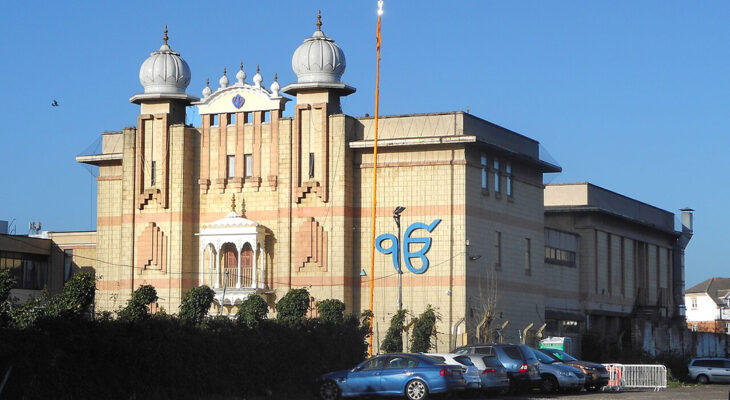
Across the UK there are hundreds of gurdwaras. Major towns have at least one, and highly populated cities have several or more. Some of the larger gurdwaras feature distinctive domes, such as Gurdwara Sri Guru Singh Sabha in Hounslow, West London. (Image: Des Blenkinsopp)
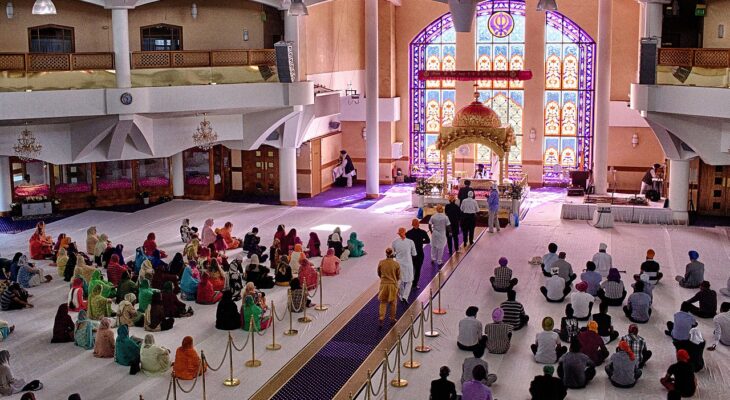
Gurdwaras maintain the Sikh faith. They also provide for a variety of Sikh community needs, such as blessings for special occasions. Democratically, most gurdwaras elect or select people from the membership for governance and thus have a right to represent them.
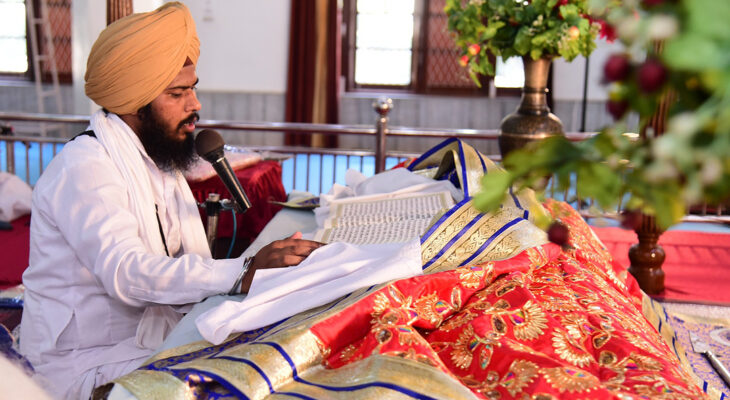
DRAFT Daily prayers (Ardas) complement its hymns (Shabads), which are set to India’s universal music system (rags).
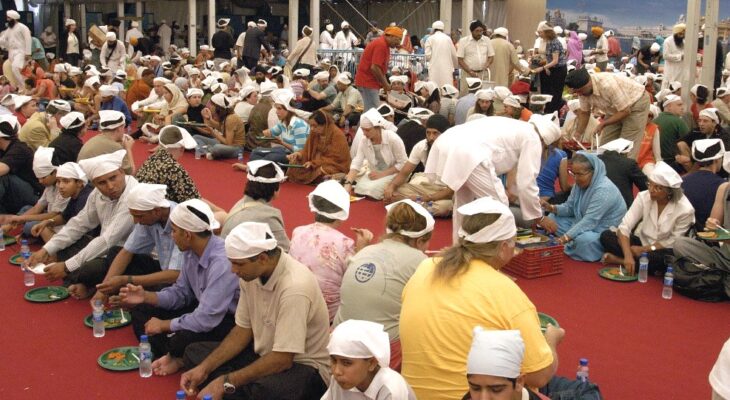
Gurdwaras globally offer communal nourishment and refreshment, known as Langar. The concept of Langar is a demonstration of giving and equality. Langar provides everyone in need of food, irrespective of their caste, class, religion and gender.
STATS
RELATED
Get e-News (sign-up below)